Understanding Location Spoofing: More Than Just a Game
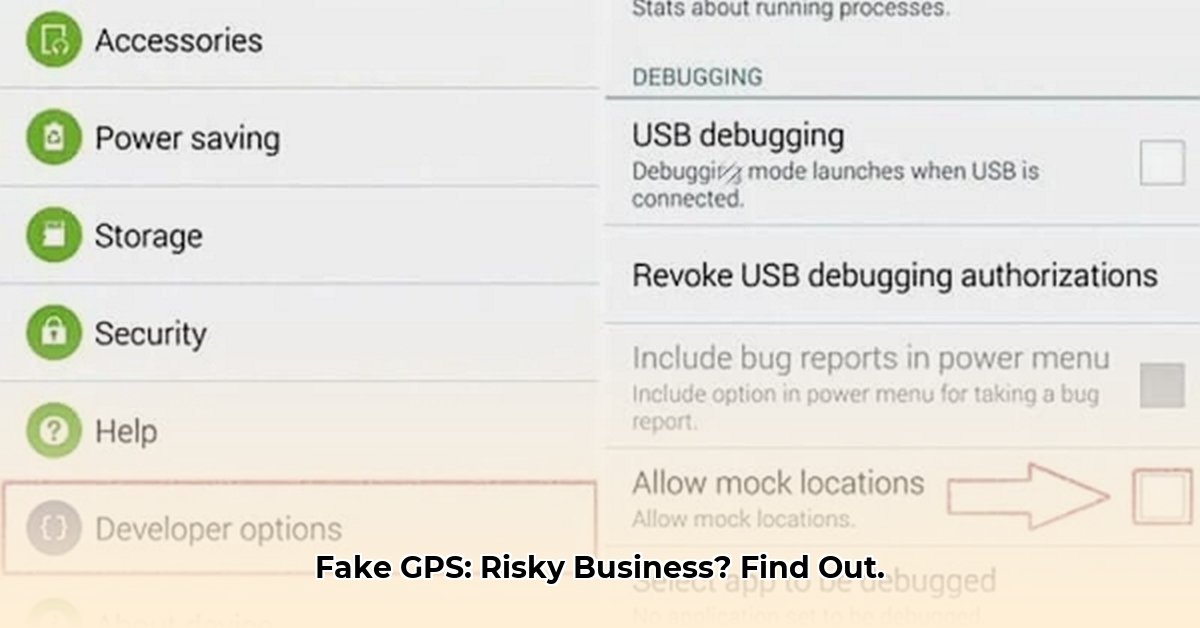
Location spoofing involves tricking your device's GPS into believing it's in a different location than it actually is. Apps like Hola Fake GPS facilitate this, allowing users to appear geographically elsewhere. While seemingly innocuous for altering game locations or accessing region-locked content, the practice presents significant risks. This guide explores these risks, offering an informed perspective on location spoofing's potential consequences.
The Appeal of Hola Fake GPS and Similar Apps: Why the Temptation?
The attraction of location spoofing apps stems from the ease of bypassing geographical restrictions. Users can access region-locked content, play location-based games with enhanced strategies, or even manipulate their online presence. However, this convenience often overshadows substantial risks. Is the perceived advantage worth the potential consequences?
The Risks of Location Spoofing: What Could Go Wrong?
Employing apps like Hola Fake GPS carries several critical risks:
Security Risks: Granting an app the ability to manipulate your GPS data inherently exposes your device and personal information to potential vulnerabilities. The app's developers may collect and misuse data without adequate transparency. What data is being collected, and how is it being utilized?
Privacy Concerns: Your location is highly sensitive data. Sharing it with an app designed to falsify its authenticity introduces major privacy concerns. The question isn't just about where you are, but also about where you appear to be, and who might be tracking that false location information.
Legal Ramifications: Depending on your location and intended use, location spoofing might violate local laws or the terms of service of various online platforms. Account suspensions or legal repercussions are possible outcomes. Are you aware of the legal landscape surrounding location spoofing in your jurisdiction?
Account Bans: Many services actively detect and ban users who engage in location spoofing, often considering it a form of cheating. Permanent account suspension and loss of progress could result from getting caught. Is the potential for improved gameplay worth such a risk?
Ethical Considerations: Is It Fair Play?
Beyond legal repercussions, employing location spoofing for an unfair advantage in competitive games raises ethical concerns. Bypassing geographical restrictions that protect users or content also introduces ethical dilemmas. Before using such apps, it's vital to consider the fairness and ethical implications of your actions.
Safer Alternatives to Location Spoofing: There Are Other Options
Virtual Private Networks (VPNs) offer a much safer alternative for accessing region-restricted content or enhancing online privacy. VPNs mask your IP address, making your device appear to be located elsewhere, without directly manipulating your GPS data. This approach mitigates the security and privacy risks associated with location spoofing applications.
Fake GPS vs. VPN: A Quick Comparison
| Feature | Hola Fake GPS (and similar) | VPN |
|---|---|---|
| Location Data | Directly altered; High risk | Not modified |
| Privacy | High risk | Lower risk |
| Security | High risk | Relatively lower risk |
| Legality | Potentially unlawful | Generally legal |
| Primary Purpose | Location spoofing | Privacy and security |
The Bottom Line: Weigh the Risks Carefully
While location spoofing apps like Hola Fake GPS offer enticing functionalities, the potential risks significantly outweigh the benefits. Security vulnerabilities, privacy violations, legal ramifications, and account bans all present substantial concerns. Carefully assess the potential downsides before using such applications. The convenience must be weighed against the considerable risks involved.
⭐⭐⭐⭐☆ (4.8)
Download via Link 1
Download via Link 2
Last updated: Friday, May 09, 2025